
How to Disestablish Paternity in Florida: The DNA Test, the Bars, and the 30-Day Clock


Quick Summary: A DNA test that excludes you as a child's biological father does not, by itself, end a Florida child support order. To disestablish paternity in Florida, you must file a specific petition under Fla. Stat. § 742.18 that includes a sworn affidavit of newly discovered evidence, scientific test results, and proof you are current on support. Even then, the court must deny the petition if you married the mother knowing you might not be the father, signed a sworn acknowledgment of paternity, or fall into one of several other statutory bars. This guide walks through exactly what the petition requires, who cannot use it, and what disestablishment does and does not change.
Learning that a child is not biologically yours after months or years of paying child support is disorienting, and the legal process to do something about it is more procedural than most people expect. Florida's disestablishment statute is deliberately narrow — it balances a man's interest in an accurate paternity finding against a child's interest in stability, so it rewards prompt, sworn, specific proof and closes the door on men who already agreed to raise a child as their own. This guide explains how § 742.18 works, from the first affidavit to the final birth-certificate correction. For related processes, see our guides to establishing paternity in Florida and unmarried fathers' custody rights in Florida, and if an ongoing support amount is the immediate concern, see modifying child support in Florida.
1. What It Means to Disestablish Paternity in Florida
Disestablishing paternity is a distinct statutory action, not a general request to modify a support order. It is available to a man who has already been determined to be a child's legal father — whether through a voluntary acknowledgment, a marriage presumption, or a court order — and who has since discovered evidence that he is not the biological father. It is different from a paternity action brought by an unmarried father seeking to establish rights in the first place, and different from a routine child support modification based on a change in income. Section 742.18 gives an existing legal father one specific, tightly conditioned way to ask a circuit court to end his prospective support obligation and any related parental rights based on biology, not on his current relationship with the child.
2. The Three Things Your Petition Must Contain
Under § 742.18(1), a petition to disestablish paternity must include three sworn components, all filed together:
- An affidavit of newly discovered evidence. You must swear that "newly discovered evidence relating to the paternity of the child has come to [your] knowledge since the initial paternity determination or establishment of a child support obligation."
- Scientific test results, or an explanation for why you don't have them. You need the results of a scientific test — typically DNA testing — conducted within 90 days before you file the petition, showing you cannot be the biological father. If you were denied access to the child for testing, you may instead file an affidavit explaining that.
- An affidavit of child support compliance. You must swear that you are current on child support for the child, or that you have substantially complied and that any delinquency arose from an inability to pay for just cause.
Missing any one of these three components is generally fatal to the petition — the statute is written conjunctively, so newly discovered evidence alone, or a DNA test alone, is not enough to get in the courthouse door.
3. The Scientific Testing Rules: The 90-Day Window and the 30-Day Court Order
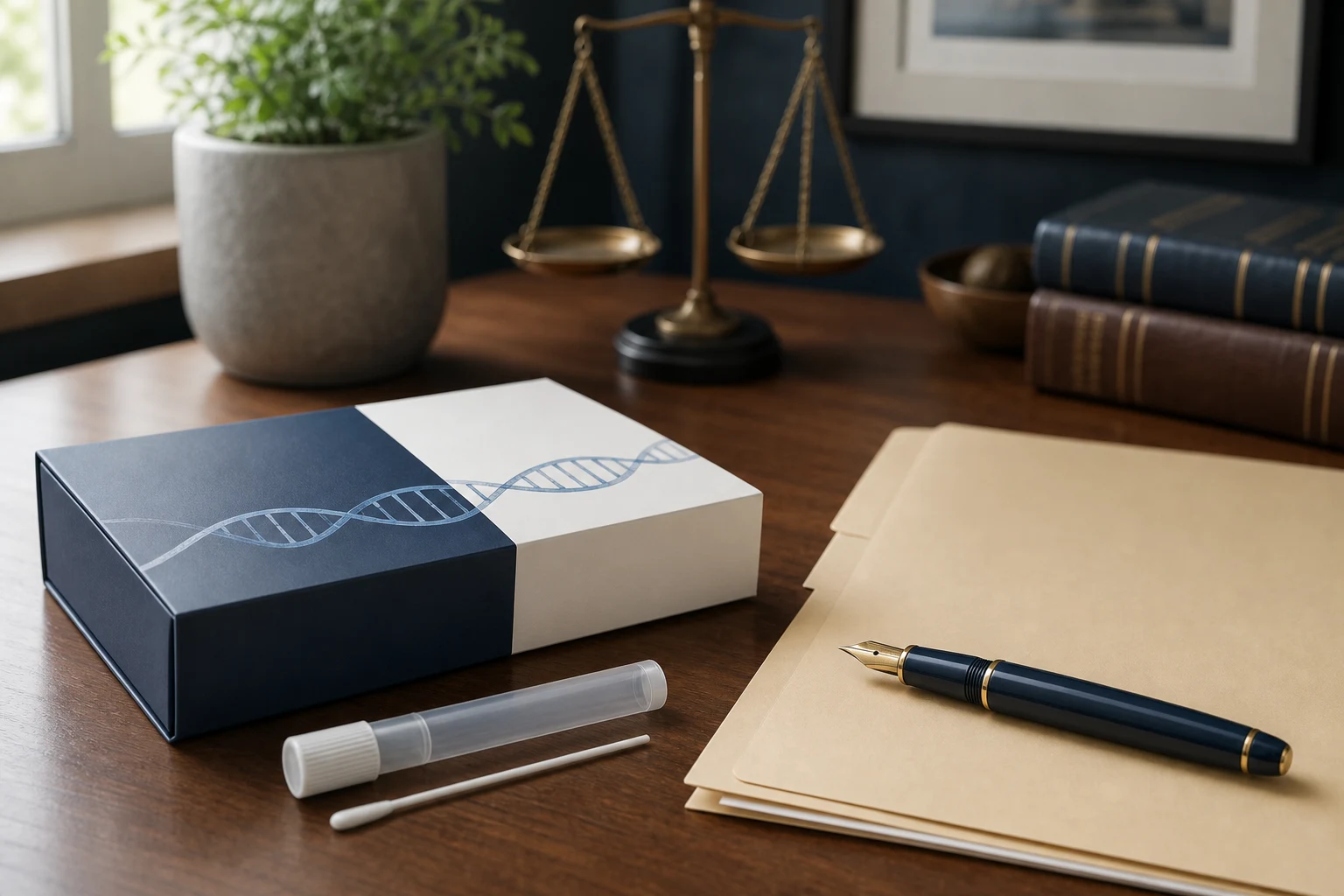
Timing matters at every stage of this process. The test results attached to your petition generally must come from testing performed within the 90 days immediately before filing — an old test from years earlier does not satisfy the statute on its own. If the court needs to order its own testing after the petition is filed, § 742.18(7)(a) requires that testing to be completed no more than 30 days after the court's order. If either party willfully refuses to submit to court-ordered testing, § 742.18(7)(b) allows the court to rule against that party on the petition without waiting for results. As for cost, § 742.18(7)(c) puts the burden on the party who requested the testing, unless a state child support enforcement agency requested it and seeks reimbursement.
4. What the Court Must Find Before Granting Relief
Even with a completed petition, a judge cannot grant disestablishment on sympathy alone. Section 742.18(2) requires the court to find all of the following before relief can be ordered:
- Newly discovered evidence relating to paternity came to the petitioner's knowledge after the original paternity determination;
- The scientific test was properly conducted;
- The petitioner is current on child support, or has substantially complied with just cause for any delinquency;
- The petitioner has not adopted the child;
- The child was not conceived by artificial insemination during the marriage;
- The petitioner did not act to prevent the biological father from asserting his own paternal rights; and
- The child was under 18 years of age when the petition was filed.
If the petitioner cannot make this showing, § 742.18(4) requires the court to deny the petition outright.
5. The Bars That Can Defeat Your Petition Regardless of DNA Results
This is the part of the statute that surprises the most people: a negative DNA test does not override certain prior conduct. Under § 742.18(3), the court must deny relief if the petitioner:
- Married the mother while knowing he was the reputed father and voluntarily assumed a parental obligation to support the child;
- Acknowledged his paternity of the child in a sworn statement;
- Consented to being named as the child's biological father on the child's birth certificate;
- Voluntarily promised in writing to support the child and, based on that promise, was required to do so;
- Received written notice from a state agency or a court to submit to scientific testing and disregarded it; or
- Signed a voluntary acknowledgment of paternity under Fla. Stat. § 742.10(4).
In practice, this means many men who signed a hospital acknowledgment of paternity, or who married a child's mother knowing there was a real question about biology, are statutorily barred from disestablishing paternity later — no matter what a subsequent DNA test shows. This is exactly why the affidavit and test-result timing requirements matter so much: the statute is built for men who genuinely did not know, and who act promptly once they find out.
6. What Happens to Child Support While the Petition Is Pending
Filing a disestablishment petition does not pause your support obligation. Section 742.18(6) is explicit: the duty to pay child support "shall not be suspended while the petition is pending except for good cause shown." The court does have discretion to order that support payments be held in the court registry rather than disbursed, pending a final paternity determination, but that is a request the court must grant — it does not happen automatically. Continuing to pay on time while the case is pending also directly supports the compliance affidavit required under § 742.18(1)(c) and the finding required under § 742.18(2)(c).
7. What Disestablishment Changes — and What It Doesn't
Section 742.18(5) limits the scope of relief to prospective child support, and to parental rights, custody, and visitation going forward. The existing legal relationship continues until the court actually enters its order — nothing changes automatically just because a petition has been filed. Just as important, the statute is explicit that it "shall not be construed to create a cause of action to recover child support that was previously paid." Disestablishment is forward-looking only; it does not create a refund claim for years of past support.
If the court grants the petition, § 742.18(8) requires the clerk of court to forward a certified copy of the order to the Florida Office of Vital Statistics within 30 days of final disposition, so the department can prepare a corrected birth certificate removing the petitioner as the child's father.
8. Common Mistakes That Sink a Disestablishment Petition
- Filing based on an old DNA test. Testing more than 90 days before filing does not satisfy § 742.18(1)(b) on its own; you generally need current results or a properly filed access affidavit.
- Overlooking a prior sworn acknowledgment. A hospital acknowledgment of paternity or a sworn statement acknowledging paternity can bar relief under § 742.18(3), regardless of what later testing shows.
- Falling behind on support while the case is pending. Because payments are not automatically suspended under § 742.18(6), an arrearage that builds up during the case can undercut the compliance affidavit the statute requires.
- Assuming disestablishment recovers past payments. Section 742.18(5) forecloses any claim to recoup support already paid, even after a successful petition.
- Waiting to formally request court-ordered testing. If the other parent will not cooperate with private testing, an early, properly noticed motion for court-ordered testing under § 742.18(7) keeps the case moving within its 30-day window.
Frequently Asked Questions About Disestablishing Paternity in Florida
What is required to disestablish paternity in Florida?
Under Fla. Stat. § 742.18(1), you must file a sworn petition with three parts: an affidavit of newly discovered evidence, scientific test results from within 90 days of filing (or an affidavit explaining lack of access to the child), and an affidavit showing you are current on child support or substantially compliant with just cause for any delinquency.
Does filing a petition to disestablish paternity stop my child support payments?
No. Under Fla. Stat. § 742.18(6), your support obligation continues while the petition is pending unless the court finds good cause to suspend it. The court may instead order payments held in the court registry pending a final determination.
Can I disestablish paternity if I signed the birth certificate or a voluntary acknowledgment of paternity?
Generally no. Fla. Stat. § 742.18(3) bars relief if you consented to being named the father on the birth certificate, signed a voluntary acknowledgment of paternity under § 742.10(4), or otherwise acknowledged paternity in a sworn statement, regardless of later DNA results.
Can I recover child support I already paid if my petition is granted?
No. Fla. Stat. § 742.18(5) limits relief to prospective (future) child support, custody, and visitation, and specifically states the statute does not create a right to recover previously paid support.
How long does DNA testing take in a disestablishment case?
If the court orders its own scientific testing after the petition is filed, Fla. Stat. § 742.18(7)(a) requires that testing to be completed within 30 days of the court's order. Test results submitted with the original petition must generally be from within 90 days before filing.
What happens to the birth certificate if my petition is granted?
Fla. Stat. § 742.18(8) requires the clerk of court to notify Florida's Office of Vital Statistics within 30 days of the final order so a corrected birth certificate can be prepared removing you as the child's father.
Cited Sources
- Fla. Stat. § 742.18 — Disestablishment of paternity or termination of child support obligation: petition requirements, required findings, statutory bars, testing timelines, scope of relief, and birth certificate correction.
- Fla. Stat. § 742.10 — Establishment of paternity for children born out of wedlock, including voluntary acknowledgment of paternity.
- Florida Family Law Form 12.951(a)–(b) — Official petition to disestablish paternity and/or terminate a child support obligation.
The statutory bars in this process catch as many petitions as the DNA testing rules do, and both sets of requirements have to be satisfied together. Doreen Yaffa and the Yaffa Family Law Group paternity team help parents throughout Palm Beach and Broward counties evaluate whether a disestablishment petition is available, prepare the required affidavits, and pursue court-ordered testing when needed. View all our practice areas or contact us today for a confidential consultation.
Free Guide: 10 Things To Do Before Filing For Divorce
Protect your assets and your peace of mind. Download our comprehensive checklist tailored for South Florida residents.
Readiness
Guide
Doreen Yaffa
Founder & Managing Partner
Family law attorneys at Yaffa Family Law Group, specializing in divorce, custody, and complex family matters in South Florida.
View Full ProfileTable of Contents
- 1. What It Means to Disestablish Paternity in Florida
- 2. The Three Things Your Petition Must Contain
- 3. The Scientific Testing Rules: The 90-Day Window and the 30-Day Court Order
- 4. What the Court Must Find Before Granting Relief
- 5. The Bars That Can Defeat Your Petition Regardless of DNA Results
- 6. What Happens to Child Support While the Petition Is Pending
- 7. What Disestablishment Changes — and What It Doesn't
- 8. Common Mistakes That Sink a Disestablishment Petition
- Frequently Asked Questions About Disestablishing Paternity in Florida
- Cited Sources
"Doreen and her team guided me through one of the hardest times of my life with compassion and precision."
— Former Client, Boca Raton
Facing a Family Law Matter?
Don't navigate this alone. Schedule a confidential consultation with our experienced legal team.
(561) 276-3880