
Introducing Children to Significant Others After Divorce

Frequently Asked Questions
How does Florida determine child custody?
Florida courts determine timesharing based on the best interests of the child, considering factors such as each parent's ability to provide stability, the child's relationship with each parent, and each parent's willingness to support the child's relationship with the other parent.
What is the difference between parental responsibility and timesharing in Florida?
Parental responsibility refers to decision-making authority over major life decisions like education and healthcare. Timesharing refers to where the child physically lives. Florida courts generally favor shared parental responsibility and equitable timesharing.
Can a child choose which parent to live with in Florida?
Florida courts may consider a child's preference, particularly if the child is mature enough to make an informed decision. However, the court always prioritizes the child's best interests over preference alone.
What happens if my ex violates our parenting plan?
If your ex violates the court-ordered parenting plan, you can file a motion for enforcement with the court. Consequences can include makeup timesharing, modification of the plan, or even contempt of court charges depending on the severity of the violation.
If you're facing a family law matter in South Florida, the experienced attorneys at Yaffa Family Law Group's Child Custody & Divorce practice are here to help. Our team understands Florida family law and can guide you through every step. View all our practice areas or contact us today for a confidential consultation.
Free Guide: 10 Things To Do Before Filing For Divorce
Protect your assets and your peace of mind. Download our comprehensive checklist tailored for South Florida residents.
Readiness
Guide
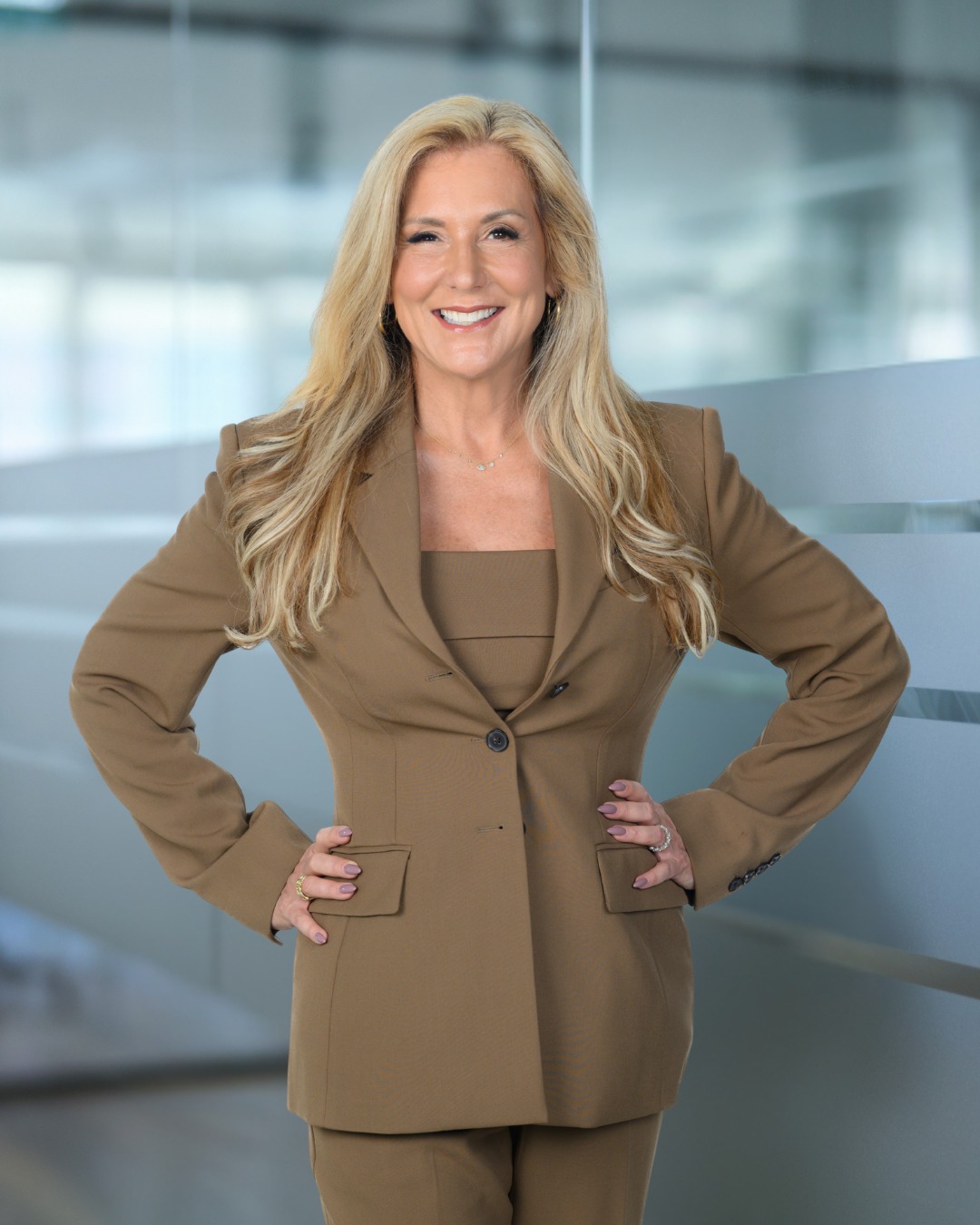
Doreen Yaffa
Founder & Managing Partner
Family law attorneys at Yaffa Family Law Group, specializing in divorce, custody, and complex family matters in South Florida.
View Full ProfileTable of Contents
- Frequently Asked Questions
"Doreen and her team guided me through one of the hardest times of my life with compassion and precision."
— Former Client, Boca Raton
Facing a Family Law Matter?
Don't navigate this alone. Schedule a confidential consultation with our experienced legal team.
(561) 276-3880